.avif)
Driving Data Solutions: A Data Engineer’s Perspective
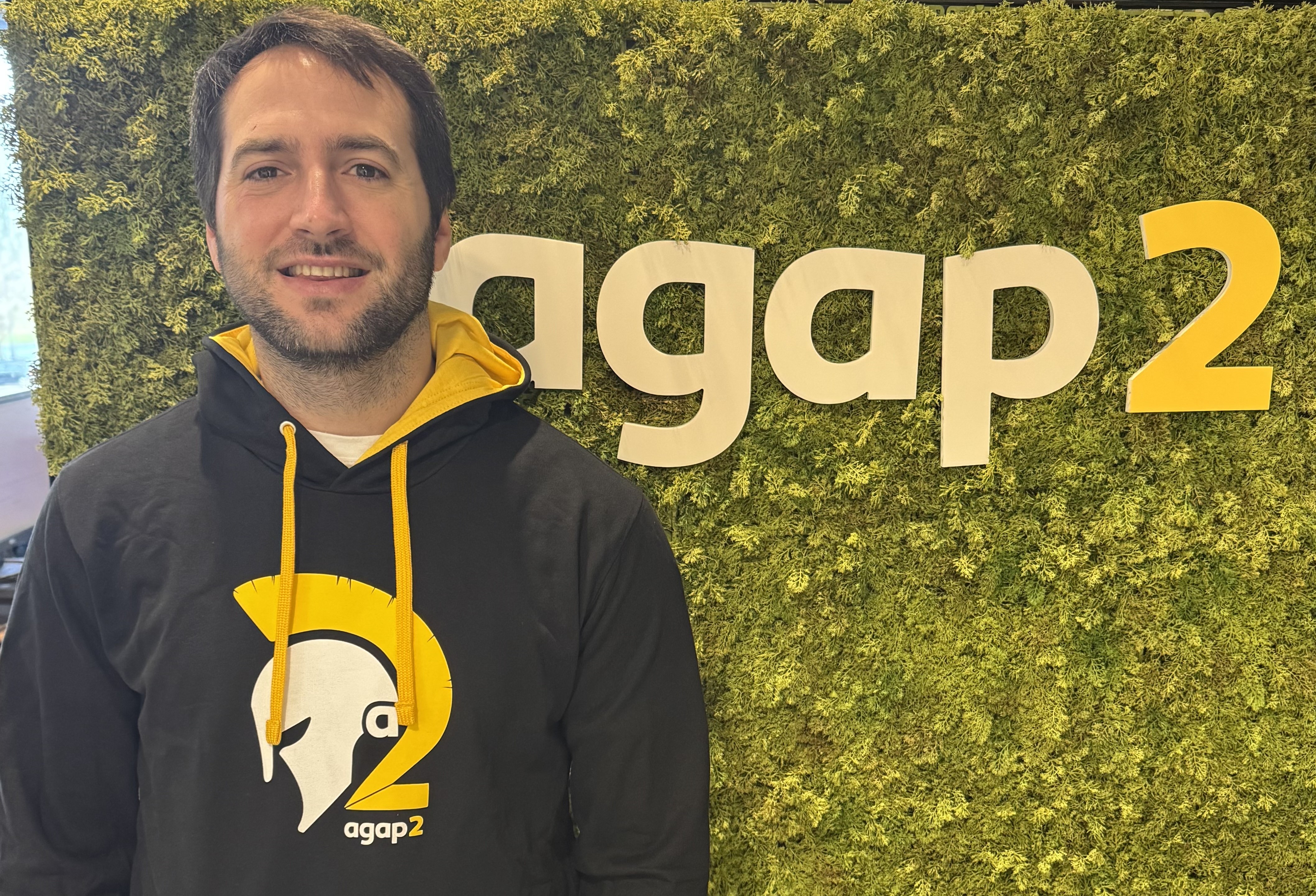
In this interview, Gonzalo tells us about his journey that started outside of tech and evolved into working on complex data challenges. With experience in building data-driven solutions, he provides insights into his day-to-day responsibilities, key learnings, and the often-overlooked skills that contribute to successful data projects.
Can you tell us a bit about your background and what led you to specialize in data engineering and Python development?
I originally studied human resources, but from the first to last assignment on that field always worked in defining koi and processes for their collection, as well as promote and sometimes directly implement the use of digital tools on different teams. Eager to be able to implementation bigger systems went on to learn data science, programming and the world that surrounds it. From that point onwards just went on to tackle what i felt more challenging and where i saw i had more impact on.
Since joining agap2, what has your experience been like so far—are there any moments that stand out to you?
The experience so far has been very good. Expectations seem to be clear and there are no overheads while reporting and talking to both client and agap.
What can you share about your current project, for instance, your role within the team, and what makes this project interesting or challenging for you?
My role started more focused on delivering a dashboard for tactical capacity management of the electrical grid, this included connecting to different internal sources and define kpis in collaboration with energy experts, and process the calculation for these KPIs. And now it has acquired more development role, fixing issues and refactoring code in the repo that does the forecasting of assets load.
Looking back at your experience so far, what are some key lessons or skills you have developed as a data engineer?
Had to learn to work smartly around limited computed capacity and be able to adapt as much as possible when dealing with unstructured data sources.
What skills do you think are underrated in data engineering but make a big difference in practice?
I really think that sometimes basic descriptive statistics solutions are underrated and translated to a very necessary skill would be the ability to show stakeholders that shouldn't adapt the whole data processing to the exception.